What is Food Poisoning?
Food poisoning happens when you eat food or drink water that contains harmful germs. These germs can be bacteria, viruses, or parasites. Sometimes, chemicals in food can also cause food poisoning. Because food poisoning is common, it affects millions of people every year. According to the CDC, about 48 million people in the United States get sick from foodborne illnesses each year. Although most cases are mild, some can be serious. Therefore, knowing the signs and how to prevent food poisoning is important.
Common Symptoms of Food Poisoning
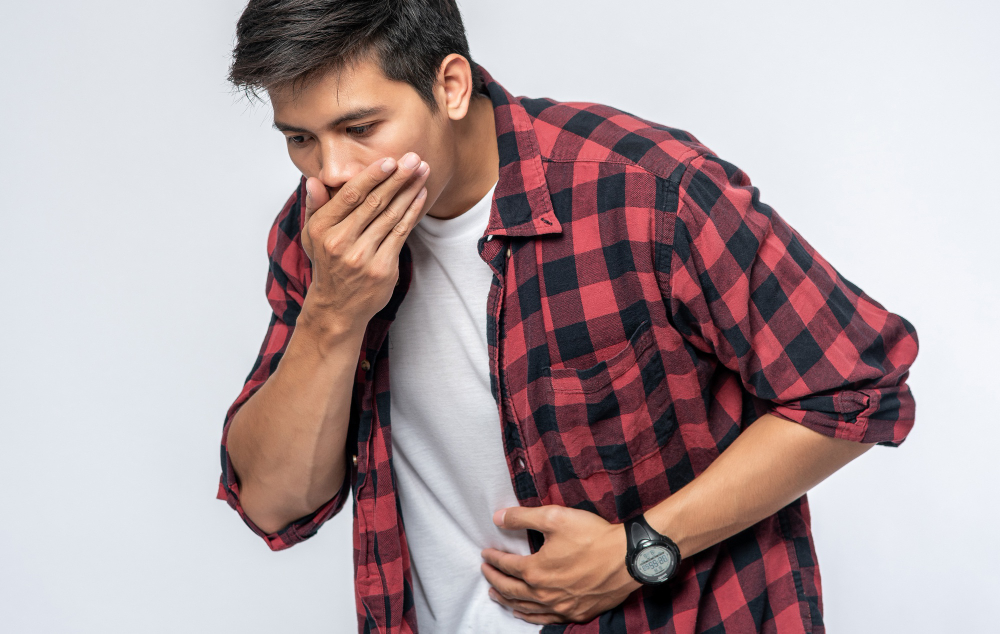
Usually, symptoms of food poisoning start within hours after eating contaminated food. However, sometimes they may appear days later. The most common food poisoning symptoms include:
In many cases, symptoms go away within a few days. But, severe symptoms may need medical attention.
Causes and Risk Factors
Food poisoning causes include eating food or drinking water that contains germs or toxins. Most often, bacteria like Salmonella, E. coli, and Listeria are to blame. Viruses such as norovirus and parasites like Giardia can also cause illness. Sometimes, chemicals or toxins in food can lead to food poisoning.
Some risk factors make food poisoning more likely. For example:
Because germs can spread easily, always wash your hands before handling food.
How is Food Poisoning Diagnosed?
Doctors often diagnose food poisoning based on your symptoms and recent food history. Sometimes, they may ask about what you ate and when symptoms started. In some cases, your doctor may order tests. For example, a stool sample can help find the cause. Blood tests or tests on leftover food are rare but may be needed during outbreaks.
Usually, mild cases do not need special tests. However, if symptoms are severe or last longer than a few days, your doctor may suggest more testing.
Treatment Options
Most cases of food poisoning get better on their own. However, there are steps you can take at home to feel better. Here are some tips on how to treat food poisoning at home:
Sometimes, you may need medicine to stop nausea or diarrhea. But, do not take any medicine without asking your doctor first. In rare cases, antibiotics or hospital care may be needed, especially for severe symptoms or high-risk groups.
Prevention Tips
Preventing foodborne illness is possible with simple steps. For example, always wash your hands before and after handling food. Here are more ways to prevent food poisoning:
If you are traveling, drink bottled or boiled water. In some locations, avoid raw foods and street food to lower your risk.
When to See a Doctor
Most people recover from food poisoning without medical help. However, you should see a doctor if you have:
Because food poisoning can be serious, always seek help if you are unsure or feel very unwell.
If you suspect food poisoning, consult a healthcare professional for personalized advice.